Perimenopausal Endometriosis: The Intersection of Hormonal Chaos St. And Inflammatory Storm Ave. and How You Can Ease the Burden

Image by Max LaRochelle
Endometriosis in perimenopause is one of the most overlooked intersections in women’s health and endometriosis care, and yet it’s where some women find themselves confused, dismissed, and searching for answers. It can make women feel like their bodies are not their own, but know that you’re not crazy nor are you starting from scratch, you’re entering a new phase with experience and a body that needs a different approach.
What perimenopausal endometriosis really is
Despite the common myth that endometriosis “goes away” as you age, research and lived experience show something different: symptoms can persist, shift, or even intensify during perimenopause. It can feel like you’re trying to put out a five‑alarm oil fire with a garden hose because what seemed to work before now no longer seems to calm the pain and other symptoms, and new symptoms seem to appear overnight.
Endometriosis is a chronic, systemic, hormone‑dependent, neuroinflammatory disease where tissue similar to the uterine lining grows outside the uterus; on the ovaries, pelvis, bowel, bladder, nerves, lungs, and more. These lesions don’t just sit there; they recruit immune cells, create their own blood supply, create new nerve fibers, and pump out inflammatory chemicals that keep inflammatory pain pathways activated. These lesions don’t shed like the endometrium in the uterus when you have your period, so they have nowhere to go.
Perimenopause is the transition window before menopause, often 2–10 years, where your ovaries stop putting out a predictable level of estrogen. Instead, estrogen surges and crashes, progesterone fluctuates before declining, testosterone fluctuates, cycles become irregular, and everything feels less predictable with a myriad of unwelcome and frustrating symptoms.
Put them together and you get perimenopausal endometriosis, a neuroinflammatory, hormone‑sensitive condition colliding with a hormone roller coaster. Instead of a small, contained flame, you now have:
Endo lesions that behave like slow‑burning embers, constantly feeding inflammatory smoke into your system
Hormonal surges that act like fresh accelerant poured onto the fire, especially when estrogen spikes without enough progesterone to oppose it.
A pain system and nervous system that have been primed over years, so every spark looks like danger and sets off the alarms such as hormone surges, pain amplification and over-sensitization, nervous‑system overload, and years of accumulated inflammation.
Why it feels harder to manage now

Image by Scott Web
For years, you may have used the typical treatment regimen: pain meds, heat, surgery, diet shifts, birth control pills which may have helped, to a point, but perimenopause changes how you approach it, because hormone chaos can amplify symptoms and make you feel like you are losing your mind.
Perimenopause knocked my endo routine completely out and rendered it useless. What began as chronic neck pain from a pinched nerve, to getting on a metered dose of steroids for the sometimes unbearable pain, landed me in the hospital with the doctor telling me that endo lesions and fibroids were causing the current pain and tightness I was feeling.
In perimenopause, estrogen doesn’t just gradually fall; it spikes high and then drops, while progesterone levels often decrease due to ovulation decline. Since progesterone is primarily produced by a temporary gland, corpus luteum, and is formed every time the ovary releases an egg to prepare for possible fertilization, as the ovaries age, the release of eggs becomes less predictable and less frequent. That can create estrogen dominance, meaning more estrogen stimulation with less progesterone braking which drives heavier bleeding, breast tenderness, mood swings, and can keep endometriotic lesions and fibroids active.
For endo, this means:
Lesions get more stimulation from estrogen.
Inflammatory proteins ramp up.
Pain, bowel/bladder symptoms, and flares can increase even if your imaging doesn’t look different
So, the old treatment method of attacking only one part of the problem no longer works as effectively as it once had because the hormone fluctuations, immune signaling, inflammation, and endo lesion activity all affect multiple systems in the body, often at once. This is why it is critical to create a strong foundation to help you better manage pain and symptoms. One of the first steps you can do to build your foundation is to track your symptoms.
The perimenopausal endo daily/weekly tracker can help you learn patterns that show up and is a stress-free way to track your symptoms, progress, cycle, stress, and more so you can create a more streamlined plan for healing in this new phase of life and to show a more realistic pattern for what’s happening in your body which you can bring to your healthcare practitioner appointments.
Why these symptoms show up so you can stop feeling like you’re going crazy
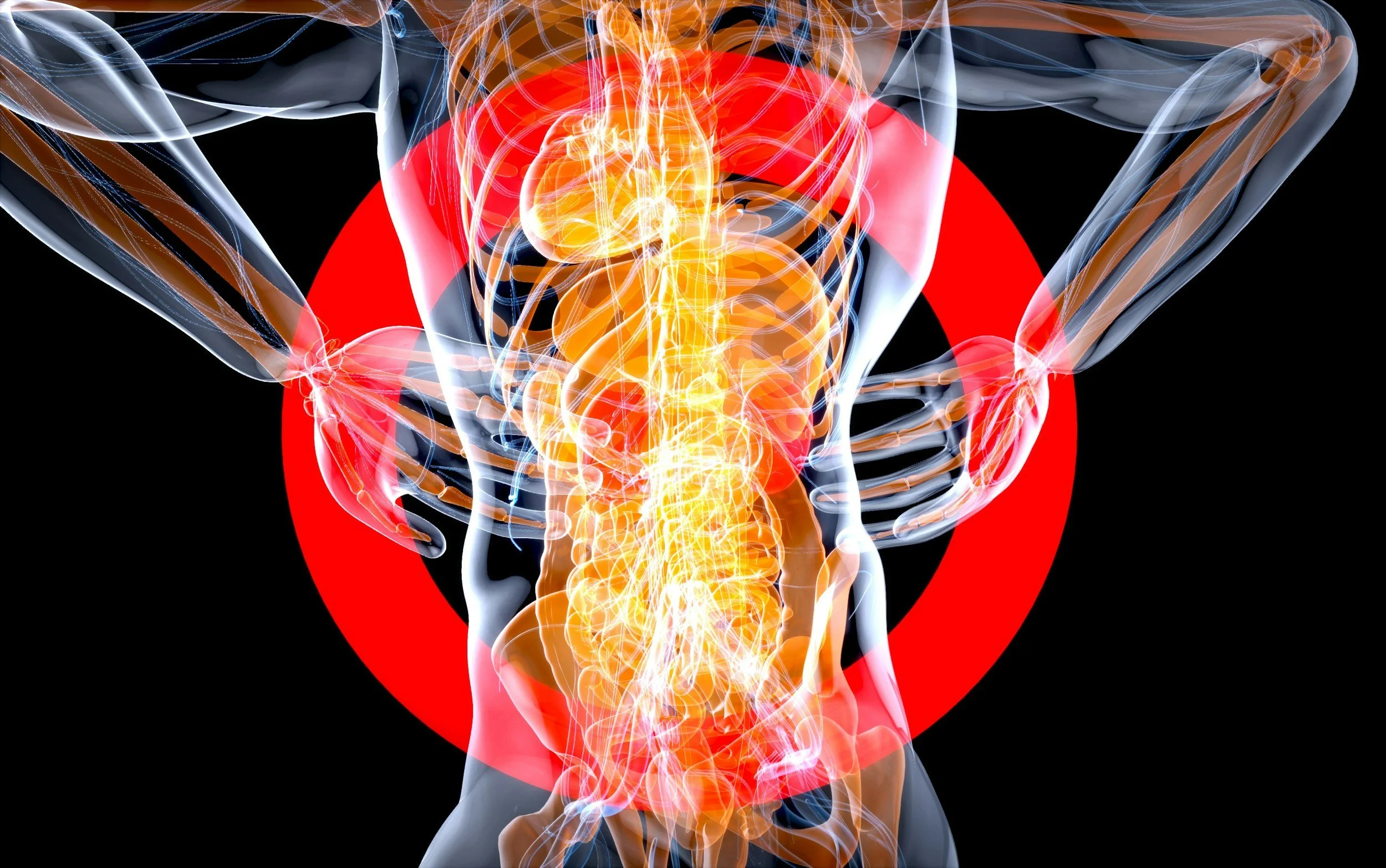
Image by Julien Tromeur
Pelvic pain, heavier bleeding, and nerve pain
Pelvic pain: Endo lesions inflame, bleed, and irritate surrounding tissues. In perimenopause, estrogen surges can intensify this, and repeated pain episodes over years prime your nervous system to respond more strongly.
Heavier bleeding: Estrogen grows the uterine lining; progesterone stabilizes and helps you shed it in a more controlled way. When progesterone is lower and estrogen is erratic, you can get heavier bleeding, more clots, and periods that feel like the floodgates opened up
Nerve pain: Lesions can infiltrate deeper tissues and even involve or irritate nerves, leading to sharp, burning, or electric‑like sensations. Neuroinflammation makes nerves more sensitive, so pain is easier to trigger and harder to calm.
Brain-fog, forgetfulness, and fatigue
Perimenopause itself is associated with changes in memory, attention, and mood, mainly driven by fluctuating estrogen, testosterone, and progesterone and their effects on the brain. Chronic pain and inflammation from endo pile on top of that, disrupting sleep, draining energy, and elevating stress hormones.
Brain fog + forgetfulness: Your brain is prioritizing threat management because its job is to keep you alive (pain, stress, emotional load) over secondary cognitive performance. It’s not that you’ve become stupid. Instead, your system is reallocating resources under pressure. There could also be more underlying issues at play.
Fatigue: Neuroinflammation, anemia from heavier bleeding, declining testosterone, poor sleep, and stress all converge. It’s like your body keeps getting pulled into emergency mode or fight or flight, instead of steady recharge.
Poor sleep, lack of stress resilience, and unhealed trauma
Poor sleep worsens pain sensitivity, mood, cognition, energy levels, and hormone regulation, creating a closed loop in which you hurt more, sleep less, then hurt more again.
Lack of stress resilience (no boundaries, no recovery time) keeps you in fight or flight, which magnifies neuroinflammation and pain signaling.
Unhealed trauma, including medical trauma, can train your nervous system to expect harm, making every flare feel like a threat
You learned your body, navigated appointments, and tested tools. Because you have been living with endo for years, you know that perfection isn’t necessary to get results, but you do need repeatable moves that recognize this as a neuroinflammatory, hormone‑sensitive, systemic disease. Remember, this is a new way to move in this phase of life that is going to help keep you grounded and create a solid foundation for healing.
3 Steps that Can Ease the Burden

Image by Beth MacDonald
1. Build Stress Resilience
Think of stress resilience as the scaffolding for your body’s anti-inflammatory response or as the parasympathetic sigh against inflammatory mediators. Without the ability to buffer stress, your body’s signals keep the over sensitization of the nerve and pain tolerance alive, feeds fatigue, and makes it more difficult to get long-lasting relief.
Daily (5–15 minutes) several times a day: nervous‑system reset
Simple breathing exercises: Inhale for 4 seconds, hold for 2 seconds, exhale for 6–8 seconds, Do for 10 breaths or longer if needed. Longer exhales tell your autonomic nervous system you’re not in danger, shifting you out of constant fight‑or‑flight and lowering pain amplification over time.
Gentle movement: 2–5 minutes of cat–cow, walking, hip circles, pelvic tilts or any movement that stretches the muscles and increases circulation to the spine and joints to keep joints mobile and send safety signals through your body without triggering a stress response. Gentle movement and walking in nature are two of my favorite ways to destress.
Weekly: Decompression ritual
Block 15-30 minutes or more if you have the time on your calendar for actual decompression and restoration (walk in nature, yoga, prayer, journaling, therapy, art, laying down or resting without distractions). Treat it like an important appointment.
Trauma‑aware support
Perimenopause and chronic pain are both moments where past trauma symptoms tend to spike. Working with a trauma‑informed therapist, EMDR practitioner, or somatic release practitioner is not selfish; it’s addressing a major driver of nervous‑system overactivation in a neuroinflammatory disease. Besides, you have to create time and space for yourself so you can heal and be able to show up for the people that mean the most to you.
2. Support hormones and inflammation
This is not about “dieting” or food perfection; we’re simply trying to stop feeding inflammation so aggressively.
Food and lifestyle foundations (most days, not all days):
Aim for 2–3 grounded meals with protein (20–30g), colorful plants, and healthy fats to stabilize blood sugar and support hormone metabolism and decrease inflammation, especially as perimenopause brings metabolic changes which can lead to unwanted weight gain
Dial down alcohol, ultra‑processed foods, and added sugars most days; they can worsen hot flashes and night sweats, neuroinflammation, and sleep quality.
Support estrogen and inflammatory clearance:
Increase fiber via vegetables, low‑glycemic fruits, seeds, and legumes to help bind and eliminate excess estrogen and inflammatory agents through and out of the gut.
Certain plants and herbs also help support hormone balance like Vitex (chaste berry)
Move in a way your nervous system can trust:
Focus on low‑impact movement (walking, yoga, Pilates, gentle strength) instead of HIIT or hard-core training which can increase negative stress in your body
3. Create a pain + pelvic plan: stop fighting blindfolded
You are mapping the patterns to see where the issues lie. Patterns may be more erratic in perimenopause, but they’re still patterns: certain estrogen phases, sleep loss, or stress spikes often precede flares.
Track smartly and simply
For 6–8 weeks or 2-3 cycles, log:
Cycle dates, bleeding intensity, clot size.
Pain (pelvic, bowel, bladder, back, nerve) on a 0–10 scale.
Sleep quality, stress level, and major emotional events.
Trigger foods and more
Build a layered pain plan:
Instead of waiting until your pain is at a 10/10 and grabbing whatever’s quickest:
Decide what you’ll use at first signs of a flare (heat, specific positions, yin yoga or other gentle movement, medication, etc)
Consider how to navigate pain for different intensity levels
Consider pelvic floor physical therapy for low back and pelvic pain
Advocate with clarity:
Know the emergency red flags: sudden severe pelvic pain, severe constipation or diarrhea, soaking pads/tampons every 1–2 hours, blood in stool or urine, signs of bowel obstruction, uncontrolled vomiting, dehydration, unexplained weight loss or fever
Bring your perimenopausal endo tracker to appointments and ask for a plan that respects endometriosis as a neuroinflammatory, systemic disease. If you’re on or considering hormone therapy, discuss your endo status and the pros/cons of different regimens (combined vs estrogen‑only, oral vs vaginal vs transdermal) in the context of your symptoms and history. Fill out short form below to get your free perimenopausal endo tracker.
The Bottom Line
Endometriosis in perimenopause is intense. It’s a reflection of real biology: hormonal dysregulation feeding neuroinflammation, central nervous system sensitization, mast‑cell activation, and a nervous system that’s been doing crisis management for years.
You are not crazy, you are not failing, and you are not starting over from scratch.
The work now is to:
Stop blaming yourself for not doing enough or not doing things perfectly
Treat this as a full body neuroinflammatory hormone-dependent disease, not a separate organ or symptom by symptom approach, because everything is interconnected.
Use the tools that match this new phase
With better stress resilience, better, more aligned choices, and advocacy, you’re not just surviving perimenopausal endo, you’re learning how to live in this new phase with more power, more clarity, and a stronger foundation for healing.